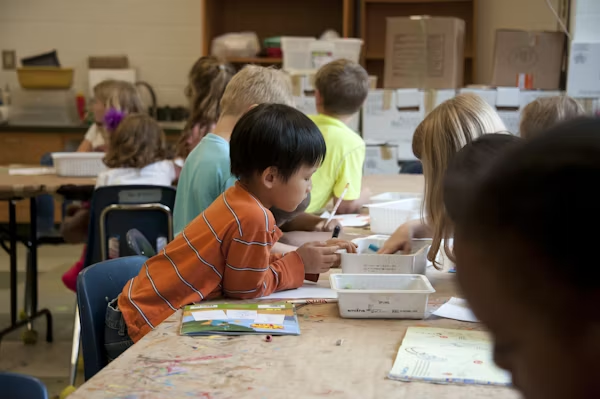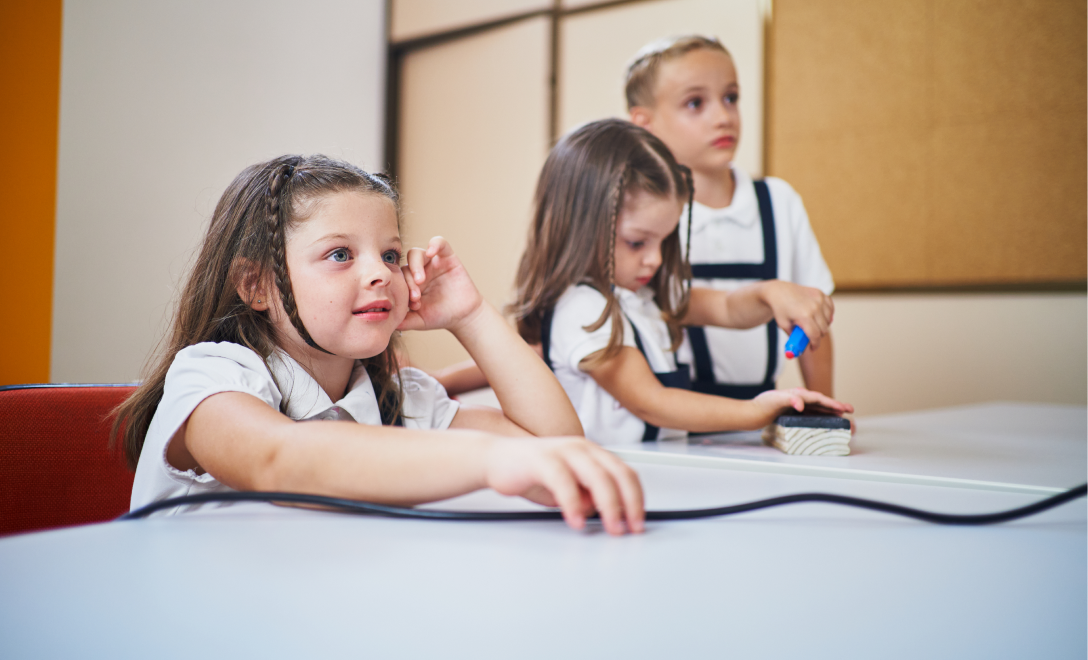





Early childhood is a period of remarkable brain development and emotional growth. The experiences children have in their early years lay the groundwork for how they learn, behave, and interact for the rest of their lives. At Kilkaree (Premium Montessori House), we understand that a strong foundation is the key to lifelong success, which is why early childhood education is not just important—it’s essential.
Between the ages of 0 to 6, children go through rapid cognitive, social, and physical development. During this phase, their brains are highly adaptable and capable of learning faster than at any other time in life. This makes it the ideal time to introduce them to concepts like language, numbers, emotional regulation, and social interaction in a guided, nurturing setting.
Toddlers are explorers by nature. They begin to assert their independence, develop language skills, and exhibit early problem-solving abilities.
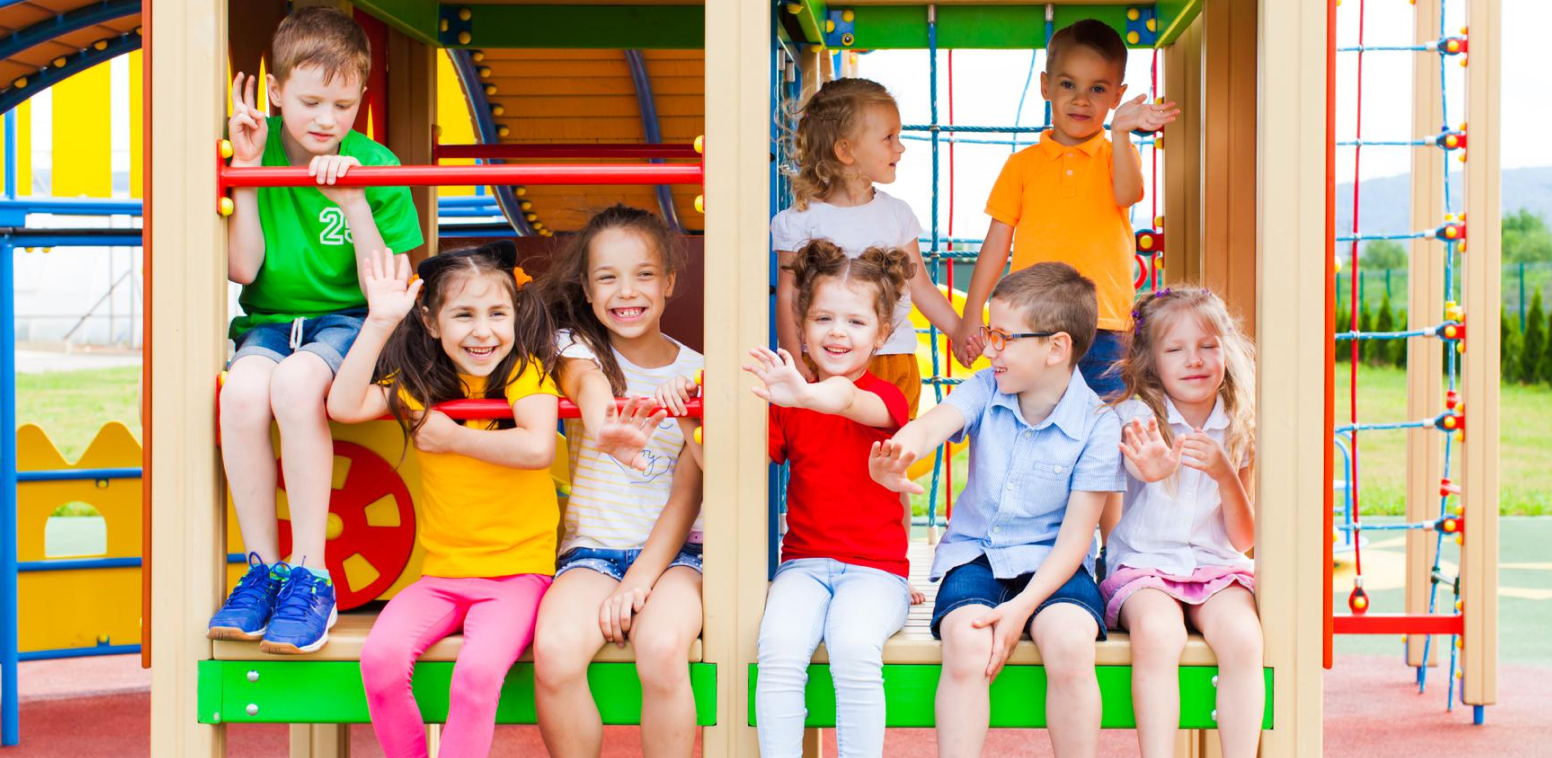
As children enter kindergarten, they develop further skills that prepare them for school. They learn to follow routines and understand more complex instructions.
Each child’s journey through these stages is unique, unfolding at their own pace. Create a foundation that nurtures the whole child emotionally.
As children enter kindergarten, they develop further skills that prepare them for school. They learn to follow routines and understand more complex instructions.

Where every child’s journey begins, with creativity, joy, and learning shaping their bright future ahead.
© Copyright 2025 Kilkaree – All Rights Reserved.